

Home life follows its own pace, and sometimes common interests like online gaming can throw it off beat. A game like reliable slot extra chilli can be entertaining at home, yet it may also result in conflicts or disagreements. Think of this article as a guide for times like these. Its goal is to maintain harmony when a well-known slot game becomes integrated into your household’s routine. We’ll discuss how to address it, set some ground rules, and make sure the fun doesn’t get in the way of your household’s unity. It offers actionable relationship tips, seen through the lens of a slot with a hot theme.
Grasping the Attraction of Extra Chilli Slot
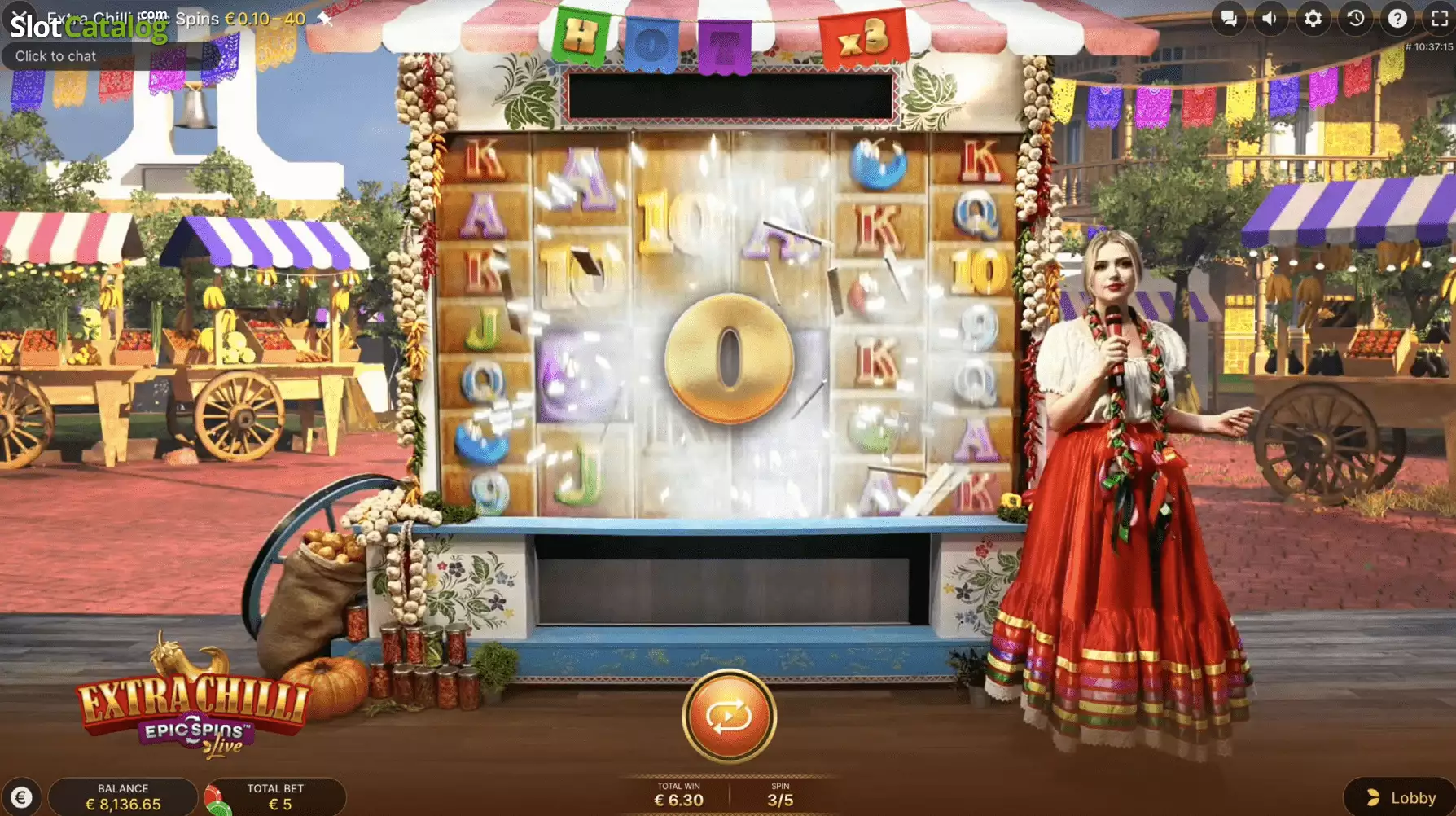
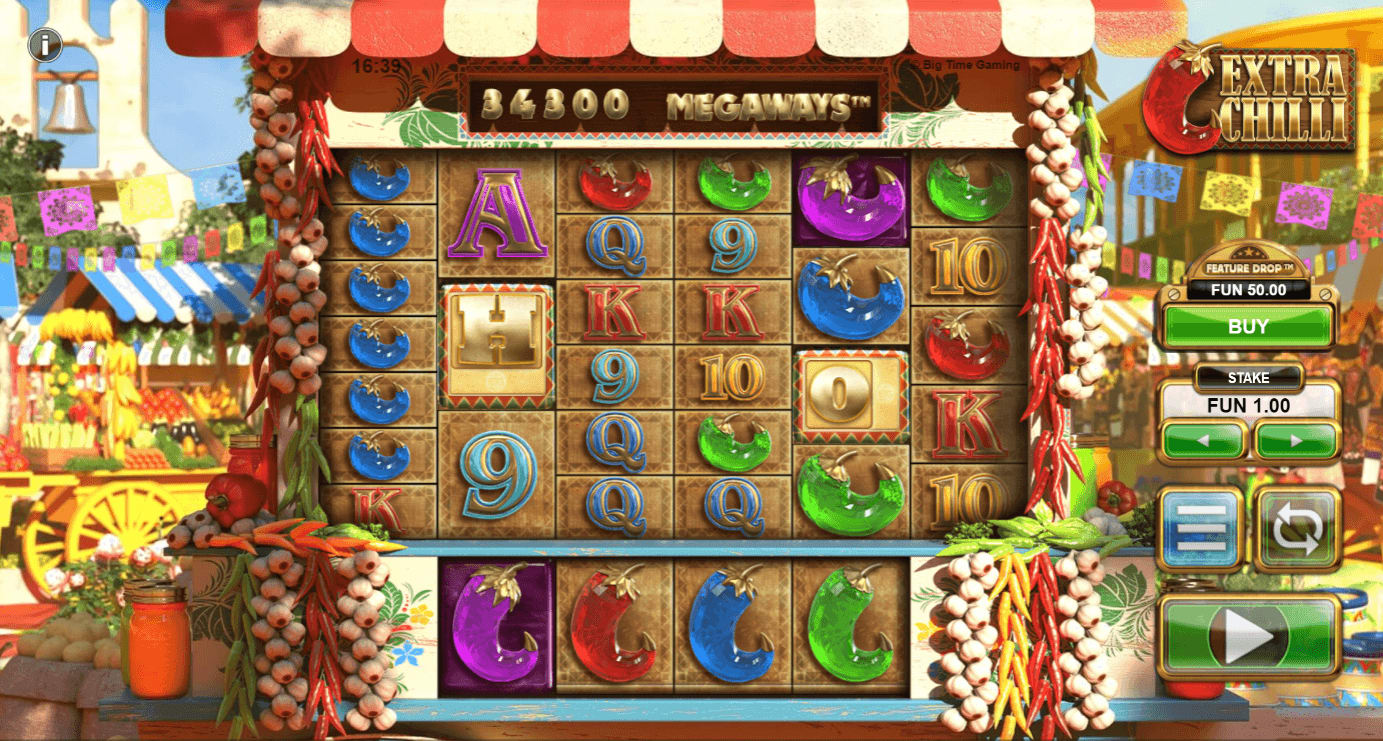
Ahead of you discuss something, you must understand why it matters to someone. Extra Chilli Slot, developed by Big Time Gaming, is a well-known online slot. It features a vibrant Mexican theme and utilizes a method called Megaways, where the amount of ways to win shifts every spin. Its “Infinite Multiplier” feature can make wins increase. People enjoy it for the excitement of those cascading reels and the possibility of a large multiplier. For the player enjoying it, it’s not just potential money. It’s the lights, the sounds, the suspense. Understanding that is the starting point for a family member who doesn’t gamble. It transforms a debate about “that silly game” into a true conversation about what someone deems enjoyable.
The Psychology of Participation
Games like this are not random. They’re built on ideas from behavioral psychology. The random rewards, the near misses, the flashy celebrations—they’re all designed to keep you active. Knowing this helps families discuss gaming habits without pointing fingers. It’s not about a deficiency of willpower; it’s about a cleverly designed experience. That shifts the discussion. You quit blaming the person and begin managing the activity together.
Common Moments and Social Play
You may assume playing slots is a individual activity, but it frequently isn’t. Couples occasionally play together, taking turns or chatting about what might happen next. It turns into a shared thing to do, a way to de-stress side-by-side. That’s a good thing, and it deserves credit in any family talk. Cheering for a win together or just sharing the colorful adventure can be a genuine point of connection, as long as it doesn’t become the only way you bond.
Spotting Common Household Tensions Regarding Gaming
When a game like Extra Chilli Slot is part of family life, it can shine a light on problems that were existing. Time is a big one. One person might feel overlooked because the other is looking at a screen. Money is another factor. If you combine your finances, what seems like harmless fun to one person might look like a waste of cash to the other, particularly if you’re putting money aside for something. Values become relevant, too, if kids are around and parents disagree on what signal these games communicate. Recognizing these friction points is akin to a diagnosis. It allows you tackle the real problem—maybe a craving for attention, or a worry about security—rather than just bickering about the game.
The Importance of Honesty and Transparency in Finance
Secrets inflict more damage than any casino play. Concealing the duration of your play or worse, hiding the money spent, chips away at confidence. Maintaining monetary honesty entails discussing spending, wins, and losses without the fear of a blow-up. This means the listener has to try not to get angry right away, and the gambler must commit to honesty. When you have that openness, gaming stops being a secretive hobby and turns into a supervised practice. It also means you can spot early if things are starting to slip so you can offer support rather than punishment.
Initiating the “Family Counseling Session” Conversation
Beginning this conversation is usually the toughest part. Don’t making it an ambush. Frame it like you’re together on the identical team, having a small “counseling session” to bring things improved at home. Use words that concentrate on your sentiments. Attempt “I sense a bit left out when you engage in the evenings,” rather than “You’re constantly on that game.” Choose a moment to speak when you’re each calm, not immediately after a rough run of games or in the heat of a row. Set the goal obvious: you want to grasp each other better and make your home life more joyful. The game is just one part of that broader picture.
Striking a Balance: Blending Gaming with Family Life
You recognize you’ve achieved balance when gaming fits neatly alongside everything else in your family life. Sometimes that entails making it a group activity. Others can look on and support, turning a solo session into a shared moment. Other times, it requires deliberately planning different things to do, like a walk, a film night, or a board game. The idea is clear: Extra Chilli Slot should be one ingredient in your family’s recipe, not the whole meal. When you have other shared interests, your relationship has more stability. It’s less likely to falter if you have a disagreement about screen time.
Creating Healthy Boundaries and Time Agreements
Well-defined rules that everyone accepts are the finest way to avoid arguments before they arise. This means being sensible about time and money. Meet and make a plan, almost like a budget for fun. Everyone should have a say. The goal is to maintain gaming as a contained part of life, so it doesn’t eat into family time, chores, or your savings. A basic agreement, even verbal, can prevent you from having the same fight every single day.
Formulating a Time Management Plan
A well-thought-out plan honors the gamer’s interest and the family’s time. You can use a kitchen timer, decide on specific hours for play that don’t clash with dinner, or pick certain nights as game-free. The rules should feel fair. The person who isn’t playing can use this scheduled time for their own hobby, which aids in steering clear of building up resentment.
Establishing Financial Guardrails
Being open about money is vital. Here are a few ways to handle it:
- Define a Strict Entertainment Budget: Agree on a monthly amount for fun stuff, like gaming. This money shouldn’t touch the bills or your savings.
- Employ Deposit Limits: Almost all gaming sites have tools that allow you to limit your spending. Use them.
- Think about Separate Accounts: Some couples discover it more convenient to have a small personal account for fun money. It allows independence without secrets.
- Schedule Regular Check-ins: Conduct a quick, calm chat once a month to look at spending. Ensure it still lines up with what you both want.
Spotting Signs of Concerning Behavior
The majority of people play games for fun and cease when they need to. But it’s wise to be aware of the red flags when a pastime transforms into something greater. These indicators transcend just enjoying Extra Chilli Slot. Watch for someone repeatedly choosing the gaming over job or family duties. Pay attention if they begin fabricating about how often they play or wager. Be concerned if gambling becomes their only way to cope with stress or an disagreement. Growing markedly irritable when they can’t play is another sign. With finances, alarms involve recovering losses, borrowing cash to wager, or falling behind on payments. Spotting these signs early allows you to shift gears. It ceases to be a mere dispute and becomes about providing help and locating more assistance if it’s needed.
Tools and Follow-Up Actions for Professional Support
If your family talks don’t make things easier, or if you notice those danger signs distinctly, seeking outside help is a strong move. You have options. A marriage or household counsellor can offer you a impartial space and superior tools for conversation. If the worries are especially about gambling behaviors, organisations like GamCare, Gambling Therapy, and the National Gambling Helpline are present. They offer free, private advice and assistance. Using these tools does not indicate you’ve fallen short. It means you’re serious about your household’s health. It proves you’re a team tough enough to seek for a help when you want it.
Strengthening Good Results and Common Objectives
This last part is about ensuring the good shifts stick. When an individual sticks to the time arrangement, say thank you. When the financial plan holds, acknowledge it. Positive feedback makes the new routines firmer. Every so often, talk about your family objectives again. Perhaps you’re saving for a trip or merely want more peaceful weekends with each other. Emphasize how keeping gaming in control helps you reach that goal. This creates a positive cycle. Responsible gaming results in less tension at home, and that harmony makes it simpler to keep those healthy habits thriving. The narrative transforms from “I’m not allowed to play” to “We’re doing better because we resolved this as a team.”
Determining how a game like Extra Chilli Slot integrates into your family life requires patience, frank talk, and clear rules. By approaching a disagreement as a chance for a “family therapy session,” you can arrive at the core of what people really want—more attention, financial peace of finances, or mutual time. Establishing limits on time and finances, being completely honest about the two, and integrating gaming into a balanced life are the concrete actions. The goal is to let the excitement of entertainment add flavor without ruining the entire meal, so both personal interests and family bonds can flourish in a nurturing household.